

$150 REFER A FRIEND


Accredited Business
Calgary

Accredited Business
Edmonton


OUR LOCATIONS

Calgary: (403) 337-4000

Edmonton: (780) 666-2600

Toronto: (647) 775-0708

Surrey: (778) 800-9957

Lloydminster: (306) 830-5449


All Office Fax: (780) 666-9721

Office Hours:
Monday to Friday: 9am – 6pm
Saturday: By Appointment
 

Decode Financial Freedom

Your Ally in Debt Relief Upto 80%

LEAVE US A MESSAGE

Name

Calgary
(403) 337-4000

Edmonton
(780) 666-2600

Surrey
(778) 800-9957

Toronto
(647) 775-0708

Lloydminster
(780) 666-2600

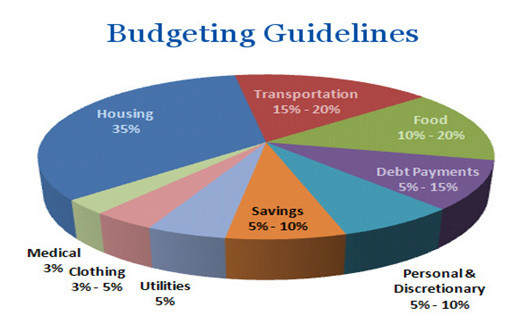
Budgeting Guidelines

Budgeting is the process of creating a plan to spend your money. Creating this spending plan allows you to determine in advance whether you will have enough money to do the things you need to do or would like to do.

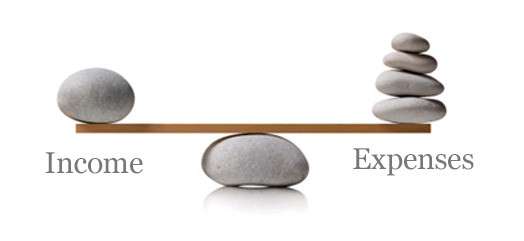
Budgeting is simply balancing your expenses with your income. If they don’t balance and you spend more than you make, you will have a problem. Many people don’t realize that they spend more than they earn and slowly sink deeper into debt every year.

If you don’t have enough money to do everything you would like to do, then you can use this planning process to prioritize your spending and focus your money on the things that are most important to you.

Budgeting Guidelines

Q. Why is budgeting so important?
A. Since budgeting allows you to create a spending plan for your money, it ensures that you will always have enough money for the things you need and the things that are important to you. Following a budget or spending plan will also keep you out of debt or help you work your way out of debt if you are currently in debt.

Budgeting Guidelines

If you have poor credit, you can fix your credit score (score rating), but it can take time – even years. Because of the time involved, we prefer to talk about this process in terms of re-building or re-establishing your credit rather than simply “fixing your credit.”  Fixing sounds like a fast process, but there is rarely anything quick about it. Many people go to great lengths to try to improve or maintain their credit. We don’t think that your credit score is as important as many people hold it out to be. Whatever decision you make, you need to do what makes the most sense for you, your situation and your family. Sometimes doing the right thing for your situation may hurt your credit score for a while. The only time that you need a great credit score is when you plan to apply for credit. If you have no plans of applying for credit any time soon, then just try to be responsible and do the right thing, but don’t get too carried away about the importance of your credit score. Many banks and credit unions have their own credit scoring systems which they use instead of the standard FICO credit scoring system. So no one can give you precise advice on how to beat the system and have the very best score. Your objective should be to have a good credit situation from anyone’s point of view – not just from the perspective of one score.

Budgeting FAQs

A personal budget compares your monthly income with essential expenses, debt payments, savings and discretionary spending. It helps you understand where your money is going, identify financial shortfalls and determine how much you may realistically put toward reducing debt.

Budgeting shows how much money remains after essential expenses and required payments. It can help you reduce unnecessary spending, avoid taking on additional debt, and create a more realistic repayment plan based on your actual financial situation.

Your budget should include housing, utilities, groceries, transportation, insurance, childcare, medical costs, subscriptions, debt payments and personal spending. You should also account for expenses that occur occasionally, including vehicle repairs, annual fees, school costs and home maintenance.

Yes. Start with a conservative income estimate based on your lower earning months. Prioritize essential expenses and minimum debt payments first. Money earned above the planned amount can then be allocated toward upcoming expenses, savings or additional debt payments.

Professional support may be helpful when your expenses regularly exceed your income, you are missing payments, relying on payday loans or credit cards for essential costs, or feeling unsure about which debts to prioritize. A financial review can help identify realistic next steps.

Prepare recent pay statements, bank statements, credit card statements, loan balances, utility bills, housing costs and details of regular household expenses. Accurate financial information makes it easier to identify spending patterns and create a practical budget.