


A monthly budget may seem like a simple record of income and expenses, but it can influence much more than day-to-day spending. The way you manage your money can affect your ability to pay bills on time, reduce debt, build savings and qualify for future borrowing opportunities.
For many Canadians, credit problems do not begin with one major financial mistake. They often develop gradually through rising living costs, unexpected expenses, minimum credit card payments and an unclear understanding of where monthly income is going.
A practical budget creates structure. It helps you identify financial pressure before it leads to missed payments or additional borrowing. It can also support healthier credit habits and make future loan applications more manageable.
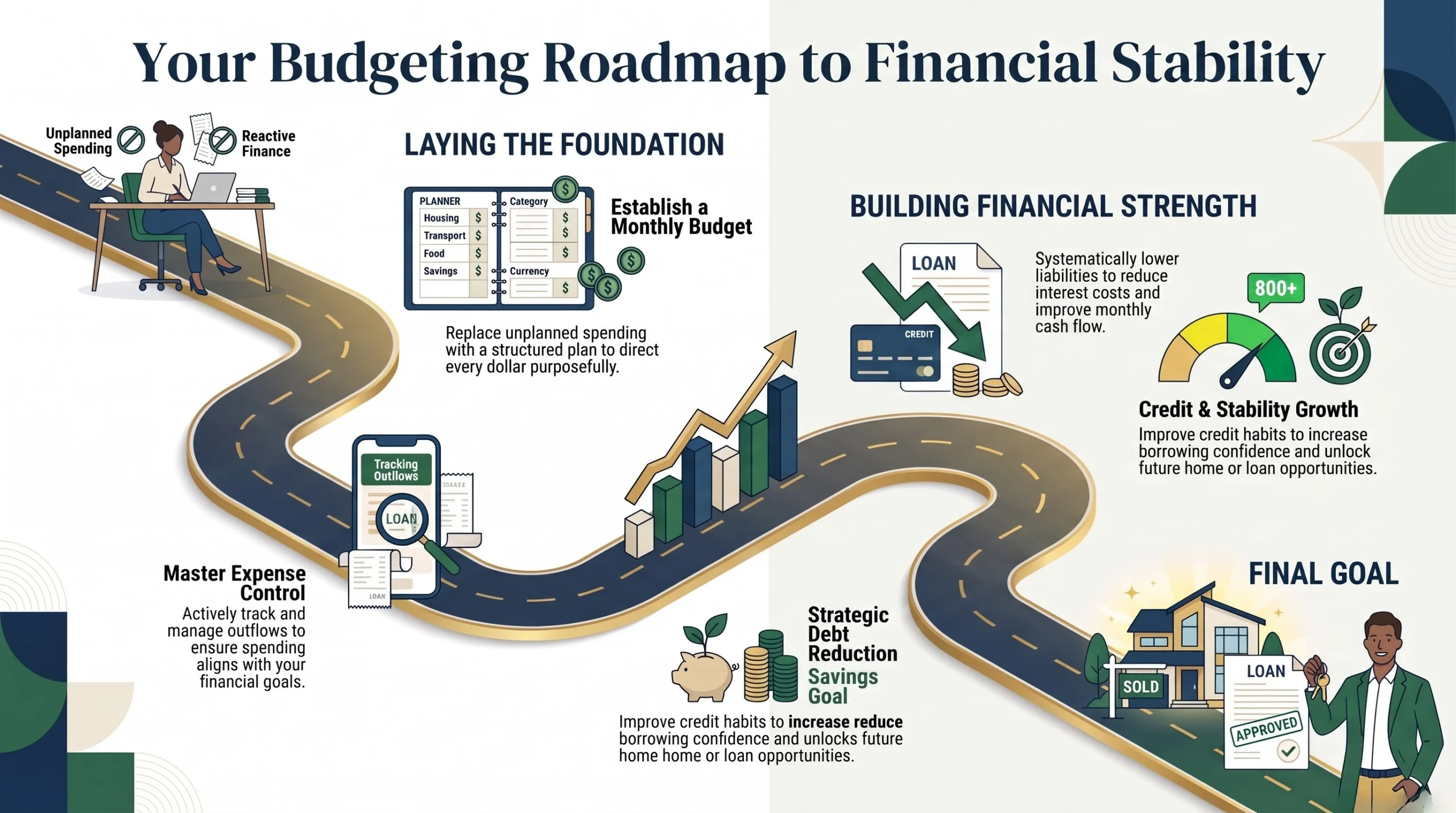
Credit720 helps Canadians understand how budgeting, debt management and credit improvement work together. With the right approach, budgeting becomes more than a spending restriction; it becomes a financial recovery tool.
How Does Budgeting Affect Your Credit?
A budget does not appear directly on your credit report. Credit bureaus do not review your grocery spending, entertainment costs, or monthly budgeting spreadsheet.
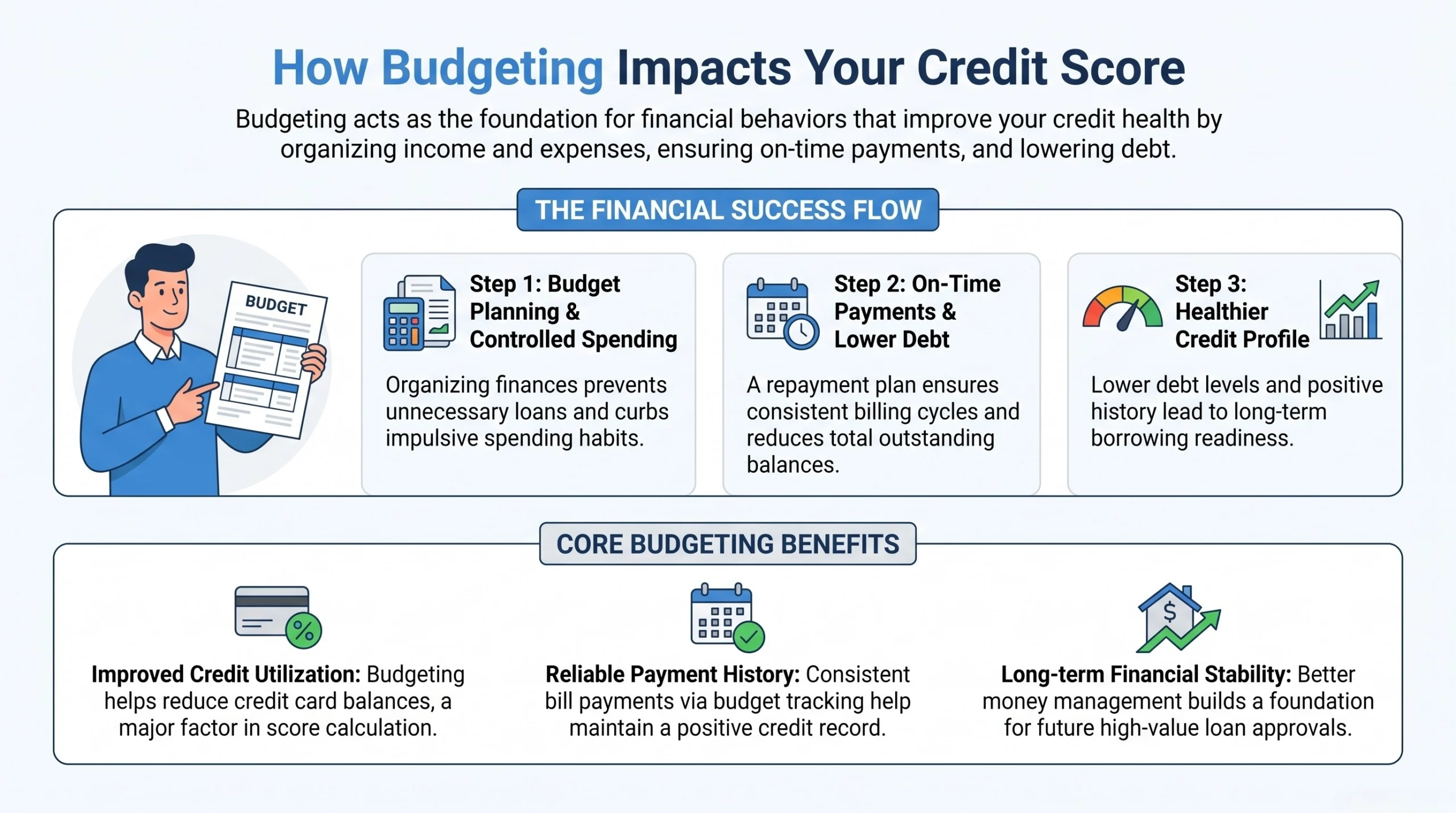
However, budgeting affects many of the financial behaviours that influence your credit score, including:
- Whether you pay bills on time
- How much credit card debt you carry
- How often you apply for new credit
- Whether accounts become past due
- How consistently you reduce outstanding balances
In other words, budgeting affects your credit indirectly by helping you manage the accounts that lenders and credit bureaus monitor.
For example, someone who plans for credit card payments at the beginning of the month is less likely to miss a due date. Someone without a budget may spend available cash elsewhere and rely on additional credit to cover essential expenses.
Why Budgeting Matters When You Want to Borrow
Lenders generally want to understand whether a borrower can reasonably manage new payments. Your credit history is important, but it is not the only factor they may consider.
Depending on the type of financing, a lender may review:
- Your income
- Existing debt payments
- Credit history
- Employment stability
- Monthly financial obligations
- Recent credit applications
- Available funds for a down payment
A strong budget helps you understand these factors before submitting an application. It can show whether you genuinely have room for another payment or whether reducing debt should come first.
Credit720 encourages borrowers to review their complete financial position rather than focusing only on their credit score. A higher score may improve borrowing options, but the loan still needs to fit comfortably within the monthly budget.
Common Budgeting Problems That Can Damage Credit
Budgeting challenges are often connected to credit difficulties. Recognizing these patterns can help you address them early.
Spending Without Tracking Monthly Expenses
Small purchases can add up quickly. Food delivery, subscriptions, banking fees and unplanned shopping may leave less money available for debt payments.
Tracking your expenses for at least one month can reveal where your income is actually going.
Relying on Credit for Regular Living Costs
Using a credit card occasionally is not necessarily a problem. However, regularly using credit to pay for groceries, utilities, or rent may indicate that expenses are higher than income.
This can increase balances and make it more difficult to keep credit utilization under control.
Paying Only the Minimum Amount
Minimum payments help keep an account current, but they may reduce the balance slowly. Interest charges can make repayment take much longer and increase the total cost of the debt.
A budget can help you identify how much extra money can be directed toward repayment.
Forgetting Irregular Expenses
Car repairs, annual insurance payments, school costs, holidays and medical expenses may not occur every month, but they should still be included in a financial plan.
Without preparation, these expenses may need to be placed on a credit card.
How to Build a Budget That Supports Better Credit
An effective budget should be realistic, flexible and easy to maintain. It does not need to be complicated.
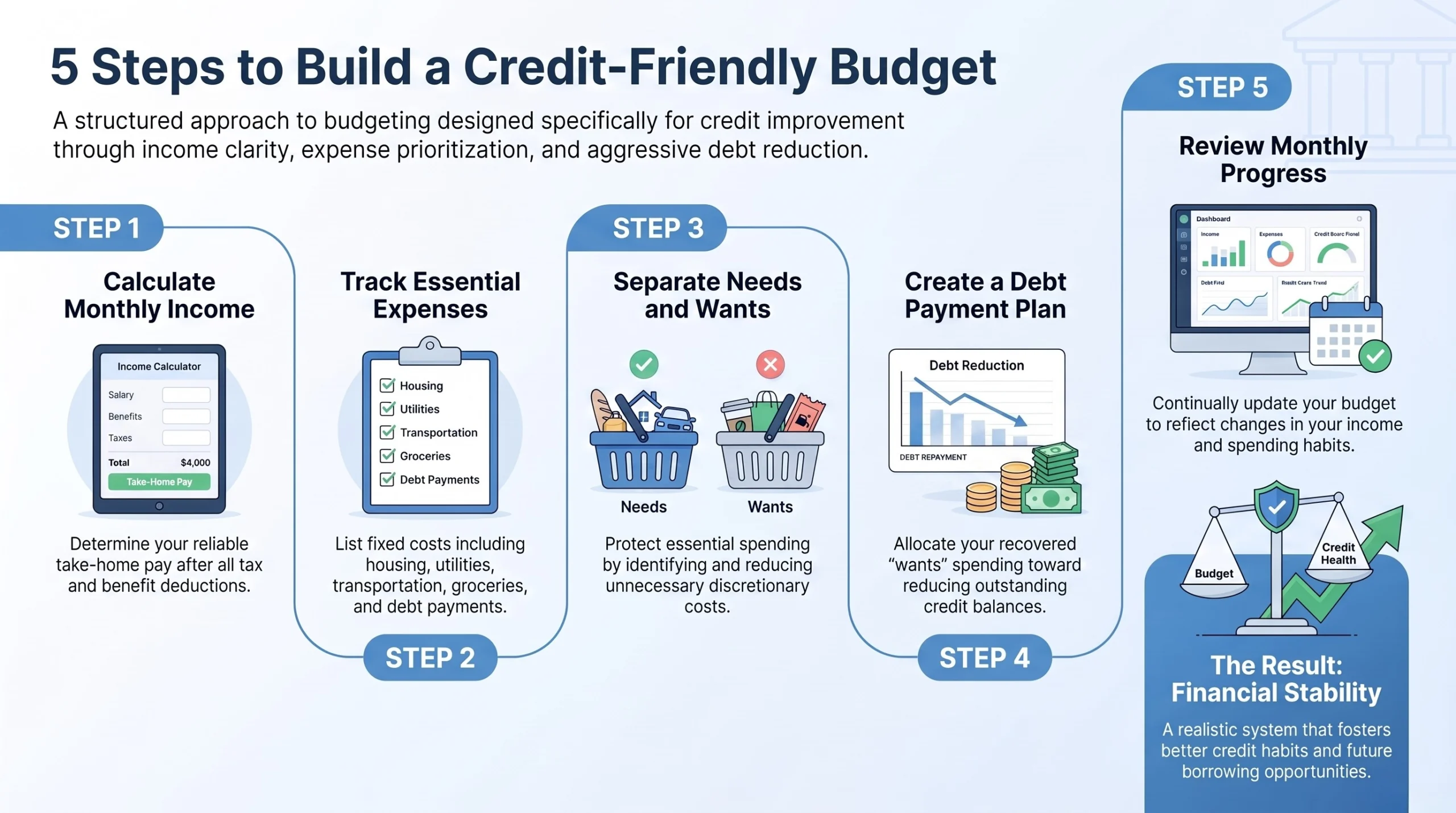
1. Calculate Your Reliable Monthly Income
Begin with the amount of money you normally receive after deductions. Include regular employment income and any other dependable income sources.
Avoid building your budget around overtime, bonuses, or uncertain income unless those amounts are consistent.
2. List Essential Monthly Expenses
Write down the expenses that must be paid each month, such as:
- Rent or mortgage payments
- Utilities
- Transportation
- Insurance
- Groceries
- Childcare
- Minimum debt payments
- Phone and internet costs
Review bank and credit card statements to avoid overlooking recurring expenses.
3. Separate Needs from Flexible Spending
Some expenses are necessary, while others can be adjusted.
Dining out, entertainment, memberships, shopping and subscriptions may be reduced when more money is needed for debt repayment or savings.
The goal is not to eliminate every enjoyable expense. It is to spend intentionally and avoid sacrificing essential payments.
4. Schedule Debt Payments Around Due Dates
Late payments can negatively affect your credit history. Add every payment date to your calendar and consider setting up automatic payments for at least the minimum amount.
Credit720 often emphasizes the importance of payment consistency because a workable repayment routine is usually more sustainable than an overly aggressive plan that cannot be maintained.
5. Create a Small Emergency Fund
Even a modest emergency fund can reduce the need to borrow when an unexpected expense occurs.
Start with an achievable amount and contribute regularly. Building financial protection gradually is better than waiting until you can save a large amount.
Budgeting and Credit Utilization
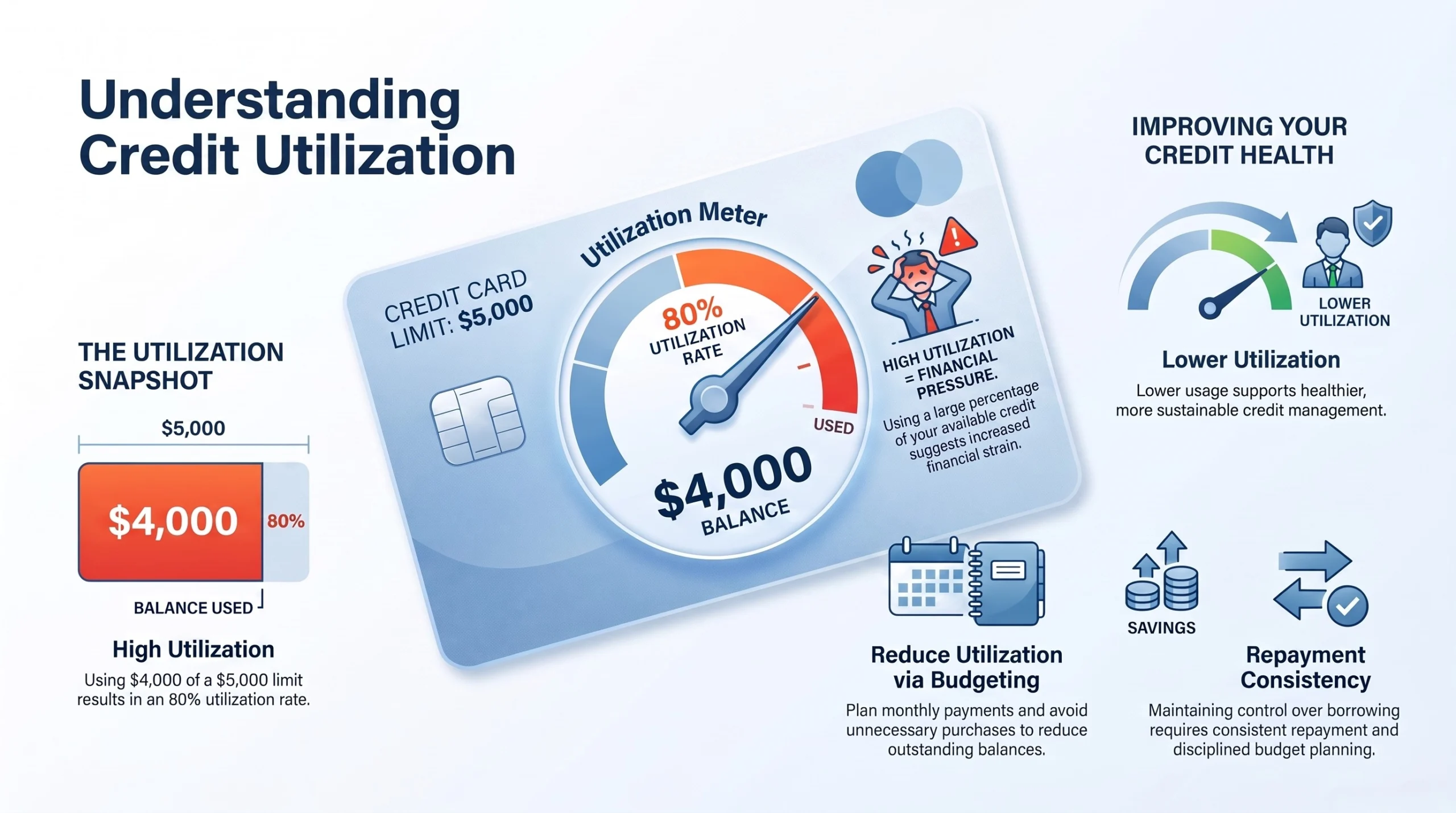
Credit utilization refers to how much of your available revolving credit you are using. For example, if a credit card has a $5,000 limit and a $4,000 balance, most of the available credit is already being used.
High balances may signal greater financial pressure, even when payments are made on time.
A budget can help lower utilization by creating a structured debt repayment plan. Instead of making random extra payments, you can assign a fixed amount toward your balances each month.
You may choose to:
- Focus on the highest-interest debt first
- Pay off the smallest balance for early progress
- Divide extra funds among multiple accounts
- Stop adding new purchases while repaying balances
The best method is the one you can follow consistently. Credit720 can help individuals review different repayment approaches based on their income, expenses and overall debt situation.
How Better Budgeting Can Expand Borrowing Opportunities
Improved budgeting does not guarantee loan approval, but it can help strengthen your financial position.
Over time, a practical budget may help you:
- Reduce outstanding debt
- Make payments consistently
- Save for a down payment
- Avoid repeated loan applications
- Lower reliance on revolving credit
- Prepare for future monthly payments
- Demonstrate more stable financial habits
Consider someone preparing to apply for a car loan. By reviewing their budget six months in advance, they may discover that existing credit card payments leave little room for a car payment.
Reducing those balances first could improve both monthly affordability and the overall credit profile presented to the lender.
Budgeting Mistakes to Avoid
A budget is only helpful when it reflects your actual financial situation. Avoid these common mistakes:
Setting Unrealistic Spending Limits
A budget that does not allow enough for groceries, transportation, or basic personal expenses will be difficult to follow.
Use real spending records instead of guessing.
Ignoring Small Purchases
Coffee, convenience fees, mobile apps and impulse purchases can become a significant monthly expense when combined.
Using New Credit to Maintain the Budget
Borrowing to cover a budget shortage may temporarily solve the problem but can create additional repayment obligations.
Applying for Multiple Loans at Once
Submitting several applications within a short period may add hard inquiries to your credit report. Compare your options carefully before applying.
Failing to Review the Budget
Income, bills, interest rates and household needs can change. Review your budget monthly and update it when necessary.
When to Consider a Professional Budgeting Service
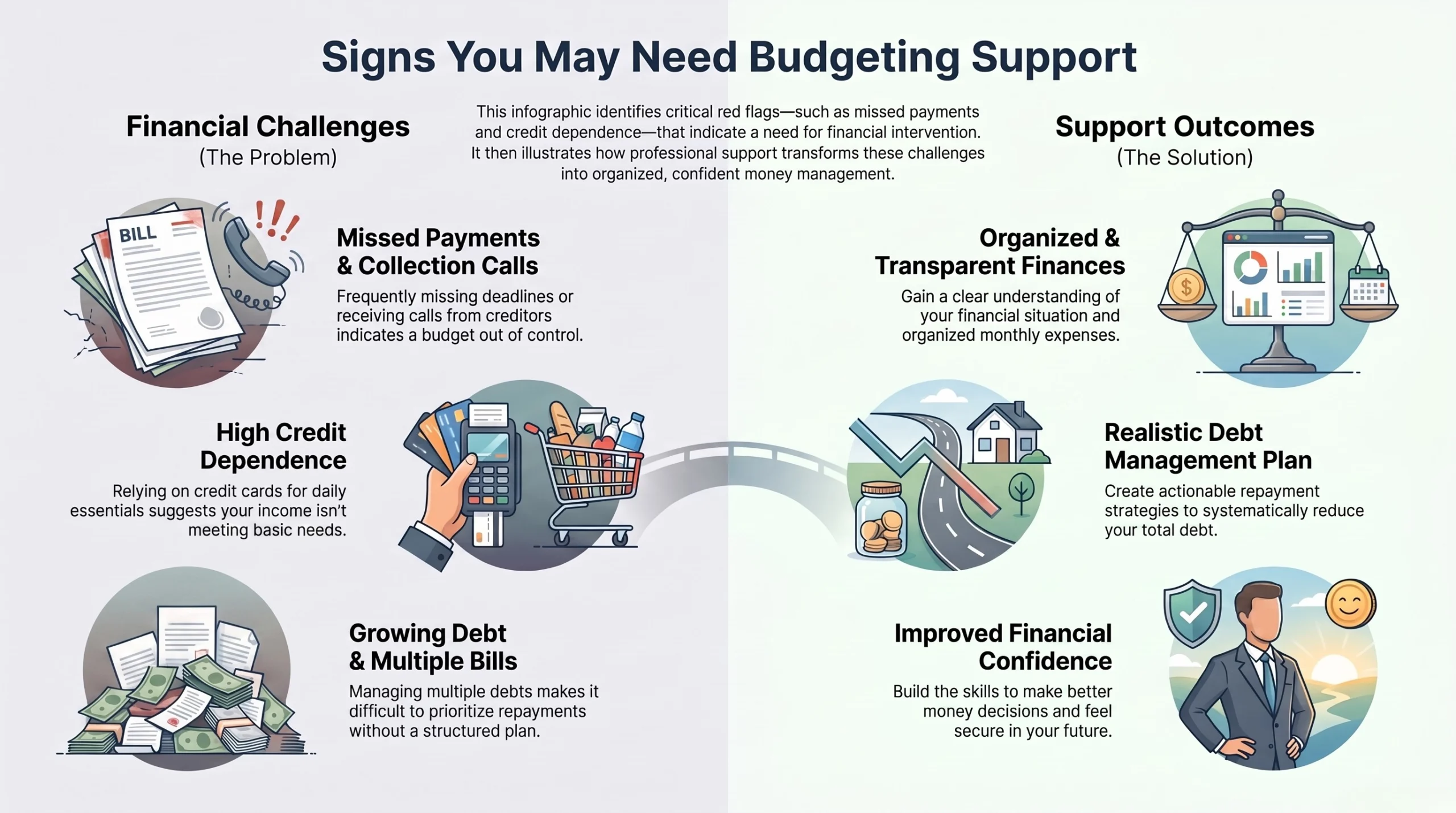
Some financial situations are difficult to resolve with a basic spreadsheet. Professional support may be helpful when:
- Debt payments are consuming a large portion of your income
- You are regularly missing payment dates
- Collection calls have started
- Credit cards are being used for essential expenses
- You are unsure which debt to repay first
- Your budget remains negative after reducing optional costs
A professional Budgeting Service can help organize expenses, identify financial priorities and explore realistic debt management strategies.
When seeking a Budgeting Service in Canada, look for guidance that considers your complete financial situation rather than offering a one-size-fits-all solution.
Credit720 provides financial education and support for Canadians dealing with debt, budgeting difficulties and credit rebuilding. The objective is to help individuals understand their options and develop a plan they can realistically maintain.
Build a Budget for Long-Term Financial Stability
Budgeting can affect your credit and borrowing opportunities by improving the habits behind your financial profile. Paying bills on time, lowering debt, controlling credit use and planning for unexpected costs can all support stronger financial health.
A successful budget should not make everyday life impossible. It should provide a clear structure for managing expenses while making steady progress toward debt reduction and future goals.
If your current budget is difficult to balance, Credit720 offers educational resources and professional guidance for credit improvement, debt management and financial recovery. Taking the time to understand your finances today can help you make more confident borrowing decisions in the future.
Frequently Asked Questions
Does creating a budget improve your credit score?
A budget does not directly increase your credit score. However, it can help you make payments on time, reduce credit card balances and avoid unnecessary borrowing, which may support credit improvement.
Can poor budgeting prevent me from getting a loan?
Poor budgeting can lead to high debt, missed payments and limited monthly cash flow. These issues may affect your credit profile or make it difficult to comfortably manage a new loan payment.
How much of my income should go toward debt repayment?
The appropriate amount depends on your income, essential expenses, interest rates and total debt. Your repayment plan should be meaningful but realistic enough to maintain every month.
Should I save money or pay off debt first?
Many people benefit from building a small emergency fund while continuing required debt payments. Extra funds can then be directed toward high-interest debt without leaving you unprepared for unexpected expenses.
When should I use a professional budgeting service?
Professional guidance may help when you are missing payments, relying on credit for essentials, facing collection activity, or unable to create a positive monthly budget after reducing optional expenses.
Conclusion
Budgeting is more than tracking expenses; it is a foundation for building stronger financial habits and improving your overall credit health. A well-planned budget can help you make payments on time, reduce debt, manage credit responsibly and prepare for future borrowing opportunities.
Whether you are rebuilding your credit, managing existing debt, or preparing for a major financial goal, understanding where your money goes is an important first step. Small improvements in spending habits and repayment consistency can create meaningful long-term results.
Credit720 provides educational resources and financial guidance to help Canadians better understand credit improvement, debt management and budgeting strategies. If you want to improve your financial situation, exploring reliable credit and budgeting resources can help you make more informed decisions for the future.