

Nobody wakes up one day and decides to fall behind on their bills. It creeps up. Maybe you missed a credit card payment because rent was due the same week. Maybe a loan you meant to pay off next month is still sitting there six months later. Then the calls start, and suddenly you’re avoiding your own phone. Sound familiar? You’re far from the only one dealing with this, and there’s more room to fix it than most people realize once they’re in the middle of it.
Before anything else, it helps just to sit down and actually look at where the money is going. That one step alone changes a lot for people.
Understanding the Debt Problem
Debt piles up fastest when what you owe stops matching what you earn. Credit card interest is the usual culprit; it’s brutal, and if you’re only paying the minimum, most of that payment goes toward interest, not the actual balance. Throw in a layoff, a dental bill you didn’t see coming, or a car that decides to break down at the worst possible time, and things can go sideways fast.
And it’s not only about numbers on a page. There’s the part nobody really talks about lying awake doing math in your head, screening calls from numbers you don’t recognize, feeling like you’re failing even when the situation just got away from you. That weight is real. Most people who look into credit counselling in Calgary aren’t doing it because they want to; they’re doing it because they’re tired of carrying that weight alone.
What Credit Counselling Actually Involves
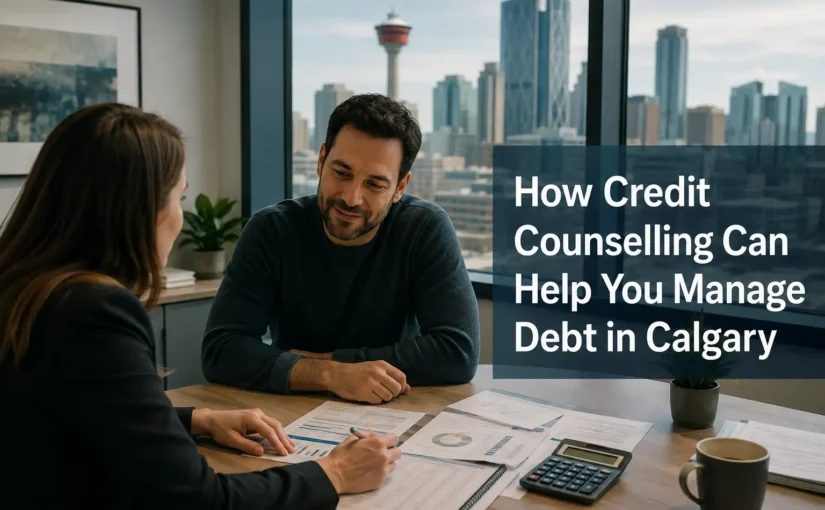
At its core, credit counselling is just a conversation a fairly structured one, but still a conversation. Someone trained in this looks at what you make, what you spend, and what you owe, then helps you figure out what a realistic plan actually looks like for you specifically. Not a generic checklist. Your numbers.
Sometimes that means tightening up a budget. Sometimes it leads to a debt management program, where a counsellor negotiates lower interest with your creditors on your behalf. Other times, if the debt load is heavier, the conversation turns toward a consumer proposal instead. None of this happens in one meeting, and that’s fine; most people need more than one conversation actually to trust the plan they’re being handed.
It’s also worth knowing this isn’t a fix it once and forget it kind of thing. People check back in with their counsellor every few months, especially early on, because old habits don’t disappear just because you made a budget on paper.
Exploring Debt Relief Options in Canada
If you’re trying to get a handle on what’s actually available in Canada, here’s the short version:
- Debt consolidation — rolls several debts into one payment, ideally at a lower rate than what you’re currently juggling.
- Consumer proposals — a licensed professional negotiates with your creditors to reduce what you owe, legally, without going through bankruptcy.
- Debt management programs — creditors agree to lower interest in exchange for a fixed, predictable repayment schedule.
None of these is automatically the right one. What works for your neighbour with two credit cards might be completely wrong for someone carrying a line of credit and a car loan. That’s really the whole point of talking to someone first instead of guessing.
Taking the First Step Toward Financial Recovery
Here’s the honest part none of this fixes itself in a week. But it starts with one uncomfortable conversation where you finally look at the numbers instead of avoiding them. Talking to someone who does this for a living doesn’t lock you into anything it just gives you a much clearer picture before you decide what to do next. Many people exploring debt assistance Calgary options say the hardest part wasn’t the plan itself; it was picking up the phone.
FAQs
Is credit counselling free in Calgary?
Most non-profit counselling services don’t charge for that first meeting. You sit down, walk through your income and what you owe, and get a real sense of where you stand. If a paid program comes up later, it’s usually explained clearly, not buried in the fine print.
Will credit counselling hurt my credit score?
Just talking to someone won’t touch your score it’s only a conversation. If you later join a formal program like debt management, that can show up on your report while you’re enrolled, but it usually fades once you’ve finished paying things off.
How is credit counselling different from bankruptcy?
Credit counselling is about budgeting and repayment over time. Bankruptcy is a legal process that wipes out most debts but comes with heavier, longer-lasting effects on your credit.
How long does it take to become debt free through these programs?
Honestly, it depends on your numbers. Someone with a smaller balance might be done in a year or two, while a heavier debt load could take longer. Most people land somewhere between two and five years, depending on the plan they choose.
Conclusion
None of this is fun to deal with, but it’s also more common and more fixable than it feels like at 2 a.m. staring at a bill. Talking to someone, getting an honest look at your numbers, and picking a plan that actually fits your life is usually enough to turn things around. The hardest part really is just starting the conversation.
Debt doesn’t define you, and it definitely doesn’t have to be a permanent state. A lot of people who felt completely stuck a year ago are now just fine, paying things off on a schedule that finally makes sense for them. That’s really all this is about trading a vague, constant worry for an actual plan you can follow.