

Most people don’t wake up one day suddenly in debt. It builds slowly a credit card here, a small loan there, maybe an unexpected car repair that went on plastic because there was no other option at the time. And then one month you sit down to pay everything and realize you’re not really making progress. You’re just moving money around.
That cycle is exactly where a personal loan for debt consolidation tends to help.
So What Is Debt Consolidation, Really?
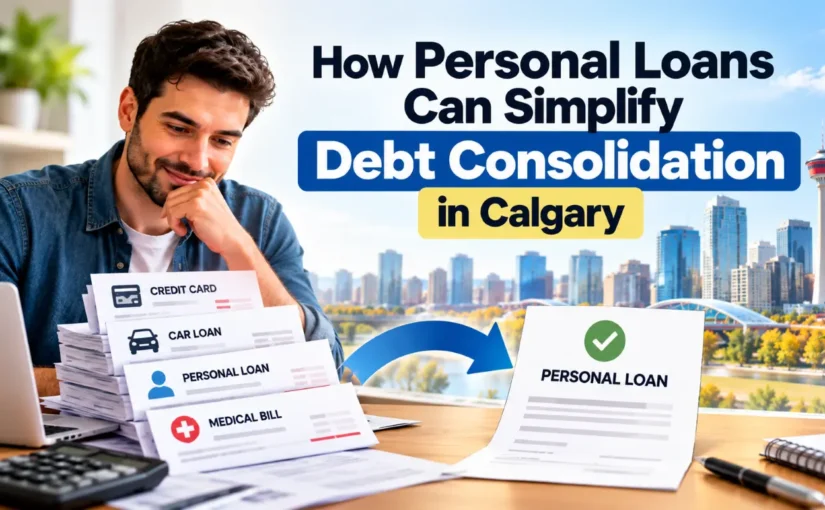
Strip away the jargon and it’s fairly simple you take everything you owe across different cards and loans and roll it into one new loan. One payment. One due date. One interest rate you actually know, instead of guessing which card is charging you 22% versus 19%.
It won’t make the debt disappear nothing does that except paying it off. But it does take away the mental load of tracking five different accounts, and for a lot of people, that alone makes a real difference.
Why People Lean Toward a Personal Loan Specifically
A personal loan tends to work because it’s predictable. Fixed rate, fixed term, fixed payment. You know exactly what you owe next month and the month after that, which is more than most people can say about a stack of credit cards.
Here’s a rough example. Say you’re carrying balances across three cards, all sitting somewhere between 19% and 24% interest. If you consolidate that into a personal loan at a meaningfully lower rate, more of each payment actually chips away at what you owe instead of most of it disappearing into interest, the way it does on revolving credit.
It’s worth saying, too a personal loan isn’t the only route here. Depending on how much you owe and what your income looks like, there might be other structured options that fit better. That’s usually something worth talking through with someone who can look at the whole picture, not just one piece of it.
A Few Things Worth Checking Before You Apply
- Make sure the new rate is actually lower than what you’re paying now not just on paper, but after fees.
- A shorter loan term saves you more in interest, but the monthly payment will be higher. Longer term, smaller payment, more interest overall.
- This works best when your debt is still manageable relative to your income. If it’s grown well beyond that, a loan alone might not be enough.
- Once your cards are cleared, try not to use them right away. Old habits creeping back in is how people end up back where they started.
Does This Actually Fit Your Situation?
For a lot of people managing debt consolidation in Calgary, this ends up being a fairly practical middle ground simple enough to set up, structured enough to actually stick to.
But debt situations vary a lot from person to person. If yours feels heavier than something a personal loan can comfortably absorb, it’s worth having a conversation with a financial advisor or credit counsellor. They can walk you through what else is out there consolidation, restructuring, whatever actually matches your numbers rather than guessing on your own.
FAQs
Will this hurt my credit score?
There’s usually a small, temporary dip from the credit check when you apply. Past that, paying the new loan on time consistently tends to help your score recover and even improve over the following months.
Can I still consolidate if my credit isn’t great?
Yes, though you’ll likely see a higher rate, or a lender might ask for a co-signer. It’s worth checking with more than one lender before settling, since terms can vary quite a bit.
How long does a consolidation loan usually take to pay off?
It really depends on the term you pick and how much you’re consolidating. Most people land somewhere between two and seven years, depending on what fits their monthly budget.
Is a personal loan the only way to consolidate debt?
Not at all ;it’s just one option among several. What works best really comes down to your total debt and income, so it’s worth reviewing the full picture before choosing.
Conclusion
Debt has a way of feeling permanent when you’re in the middle of it, even though it usually isn’t. A personal loan for debt consolidation won’t fix everything overnight, but it can turn a confusing pile of due dates and interest rates into something you can actually plan around. For a lot of people, that shift alone makes the whole thing feel more manageable.
The bigger point is just to go in with your eyes open compare rates honestly, be realistic about how much you owe, and pick whatever actually fits your numbers instead of whatever sounds easiest. Get that part right, and becoming debt-free stops being a vague idea and starts being an actual plan.