


You get paid, cover the rent or mortgage, buy groceries, and make your loan payments. By the next payday, there is hardly anything left. For many Lloydminster households, the problem is not careless spending. It is rising everyday costs combined with credit card balances and several payment deadlines.
A budgeting service in Lloydminster can help you see the bigger picture. Instead of simply telling you to spend less, good financial guidance helps you protect essentials, manage debt, and find a realistic way to save.
Why Monthly Bills Feel Harder to Manage
When bills fall on different dates, it is easy to lose track of what remains in your account. Credit card minimum payments add another challenge: high interest can make balances slow to shrink.
A useful budget accounts for irregular costs, too. Vehicle maintenance, school expenses, and winter heating bills may not arrive every month, but they still need a place in your plan.
How Budgeting Creates Room for Savings
Start With Your Actual Numbers
Pull two or three months of bank statements, pay stubs, and bills. Write down your take-home pay, your fixed costs, your debt payments, and the small purchases you barely notice. Then use the numbers that are actually there, including the ones you’d rather round down.
Next, divide expenses into necessities, flexible spending, and occasional costs. If your income varies, build your plan around a cautious monthly estimate rather than your best paycheque.
Give Every Extra Dollar a Purpose
Suppose a household finds $75 a month by cancelling unused subscriptions and planning meals more carefully. That is $900 over a year, before any interest earned. The money could provide a starter emergency fund or reduce an expensive credit card balance.
You do not need to cut every enjoyable expense. The aim is a budget you can follow for longer than a few weeks. Review it each payday and adjust when circumstances change.
When Budgeting Alone Is Not Enough
Some gaps don’t close with cuts. If the income doesn’t cover what’s owed, trimming the budget only buys time. When you’re choosing between groceries and the minimum payment, letting bills go past due, or screening calls from collection agencies, the problem has moved past spending habits, and structured debt relief is worth looking at.
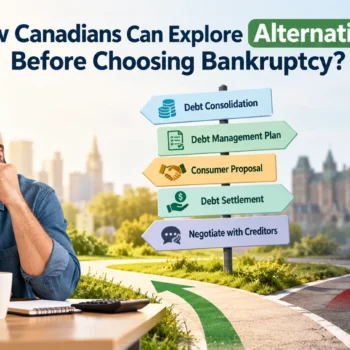
Debt consolidation in Lloydminster replaces several balances with one loan and one payment. A lower interest rate brings the cost down. A longer term pushes it back up, since you pay interest over more months. Ask what the loan costs from start to finish. The monthly figure on its own can hide a much bigger total.
A debt management plan, arranged through a credit counsellor, may combine payments to participating unsecured creditors and sometimes reduce interest. You usually repay the full amount owed, and creditors need not accept the arrangement. Ask about fees and eligible debts.
A consumer proposal is a legal alternative to bankruptcy, open to eligible Canadians. A Licensed Insolvency Trustee reviews your situation and, where it fits, puts an offer to your creditors: repay part of what you owe, or repay it over a longer stretch. Filing stops most unsecured collection action. It also affects your credit report, and you’re bound to the terms once you agree to them.
Rebuild Financial Confidence One Step at a Time
Once the repayment plan is set, the work turns into repetition. Pay the ongoing bills on time. Keep your credit use in check. Put a bit aside each month for emergencies, because a cushion is what stops an unexpected repair from turning into another loan.
A budgeting service in Lloydminster should walk you through the options and what each one costs, trade-offs included. Be wary of anyone promising to wipe out your debt overnight or guaranteeing a better credit score.
FAQs
Can I get budgeting help if my income changes every month?
Yes, budgeting services can help you manage irregular income by creating a flexible financial plan. You can budget around your lowest expected earnings and save extra money during higher-income months. This helps you cover essential expenses and stay financially prepared.
Does speaking to a credit counsellor affect my credit score?
No, simply consulting a credit counsellor does not affect your credit score. You can discuss your debts and explore repayment options without affecting your credit report. However, enrolling in certain debt relief programs may impact your credit history.
Can a debt consolidation loan include every type of debt?
Debt consolidation typically covers unsecured debts, such as credit cards and personal loans. Secured loans, mortgages, and certain government debts may not qualify, depending on the lender. A financial advisor can help you understand which debts are eligible for consolidation.
Will collection calls stop as soon as I make a budget?
No, creating a budget does not automatically stop collection calls from creditors. However, it helps you understand your repayment capacity and negotiate manageable payment arrangements. Formal debt solutions, such as consumer proposals, can provide legal protection against most unsecured collection actions.
How much should I save before paying extra toward debt?
Start by building a small emergency fund to cover unexpected expenses without borrowing. Even saving 20–50 per paycheque can help you create a financial safety net. Once you have some savings, consider directing extra funds toward high-interest debts.
Conclusion
Savings build from ordinary habits. You track what comes in and plan what goes out, and you handle debt while it’s still small enough to handle. A budget shows where the money actually goes. When the payments stop fitting the income, that’s the point where outside help earns its fee. The next step is small either way: set something aside on payday, or sit down and work out what a debt relief option would actually involve.